What Really Happens If I Wait?
It’s one of the most common questions we hear, and it’s a fair one. Life is busy, and dental care isn’t always at the top of the list. We’d rather give you an honest answer than a scary one.
The truth is that it depends on what we’ve found. Some things can be watched. Others tend to get worse, and sometimes they get more complicated to fix.
Things We May Simply Watch
Some findings are stable or very slow to change. Small areas of early enamel wear, minor staining, or a tiny spot that hasn’t broken through the enamel can often be monitored. We’ll note them and check again at your next visit.
Things That Usually Get Worse
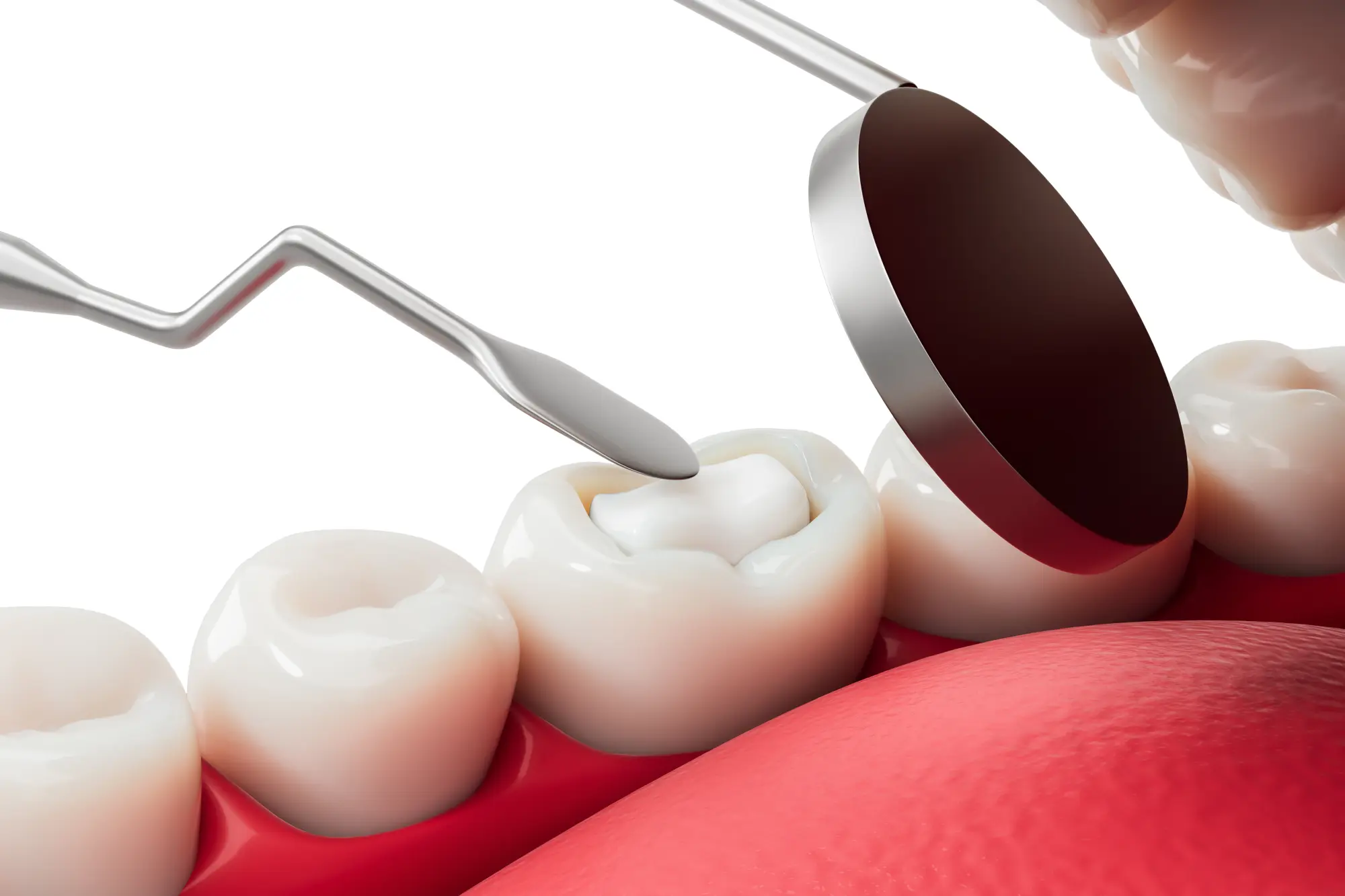
- Decay: A cavity doesn’t heal on its own once it breaks through the enamel. It grows toward the nerve. A small filling today can become a larger filling, a crown, or a root canal later if it keeps progressing.
- Decay under old fillings: Fillings don’t last forever. When decay starts underneath one, it’s often hidden until it’s large. This is one reason X-rays matter.
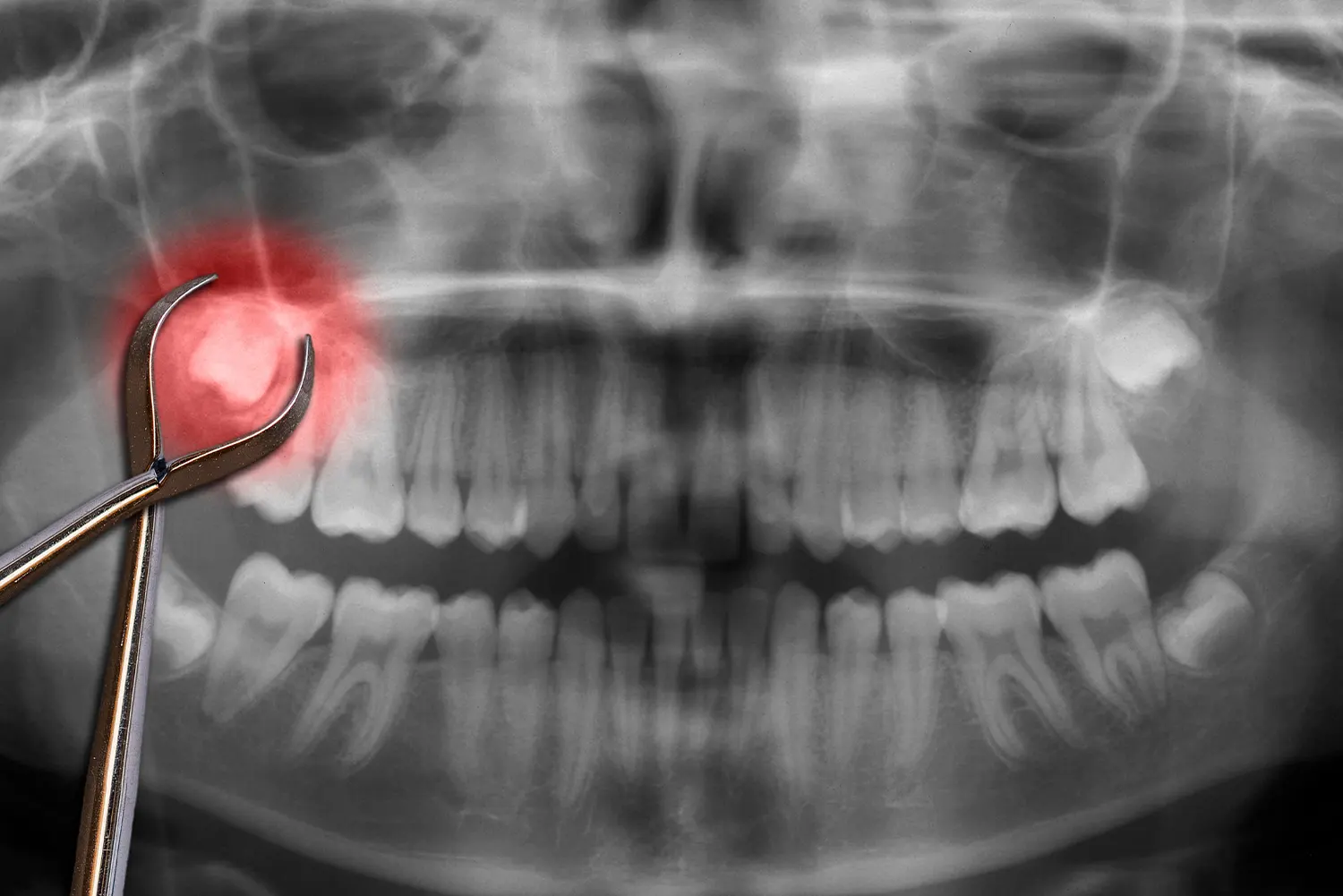
- Gum disease: Early gum disease is often painless. Over time, it can break down the bone that holds your teeth in place. Bone lost to gum disease doesn’t usually grow back on its own.
- Cracks: A small crack can spread with everyday chewing. Caught early, a cracked tooth can often be protected. Left alone, it may split in a way that can’t be repaired.
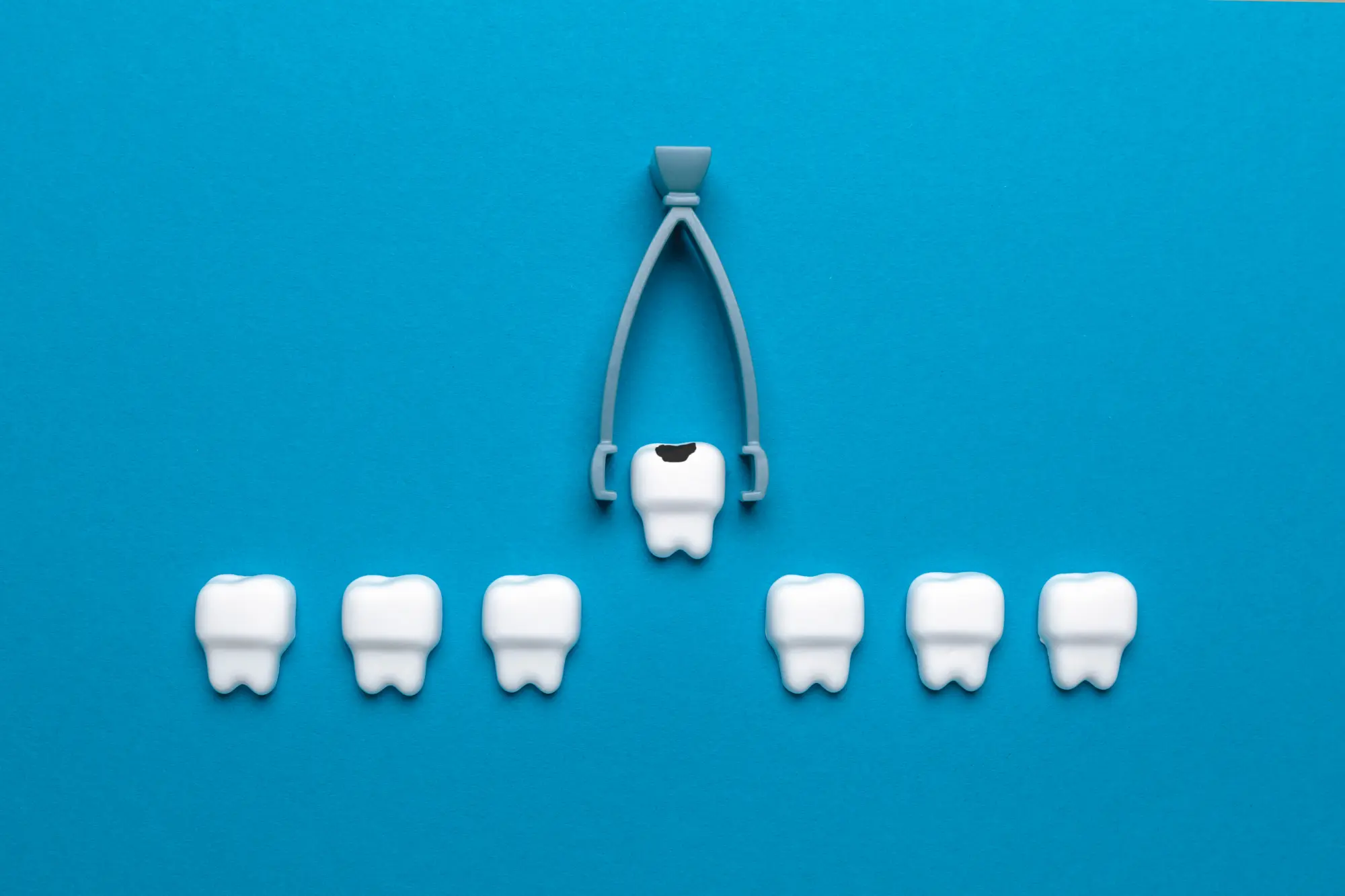
- Missing teeth: When a tooth is lost, nearby teeth can drift and the opposite tooth can over-erupt. Your bite can shift gradually, putting extra stress on the teeth that remain.
Why We Tell You This
We share what could happen so you can make an informed choice, not to rush you. When we talk about timing, we’ll connect it to what matters to you, whether that’s keeping your natural teeth, staying comfortable, or avoiding bigger treatment later.
And you don’t have to do everything at once. We’ll help you see the whole picture, then choose a safe first step that fits your life.
Ask Us for a Straight Answer
If you ever want to know how urgent something really is, just ask: “What happens if I wait six months?” You deserve a straight answer. Bring the question to your next visit, or contact your Renken Dentistry office anytime.
Share this post








It’s time to feel good about the dentist
Discover what it’s like to have a team that listens, supports, and celebrates your progress.