
Tooth Extraction for Damaged Teeth: Remove Pain, Restore Comfort
Are you considering tooth extraction for damaged teeth to alleviate discomfort and restore your oral health? Tooth extraction for damaged teeth can effectively remove pain and improve comfort by addressing the underlying issues causing distress.
Tooth Extraction for Damaged Teeth: Understanding Tooth Extraction Basics
Tooth extraction for damaged teeth is a common dental procedure aimed at alleviating pain and restoring oral comfort. This process involves the careful removal of a tooth that is beyond repair due to decay, trauma, or other dental issues. Understanding the basics of tooth extraction can help demystify the procedure, making it less daunting for those who need it. The primary goal is to ensure that the extraction is performed safely and effectively, minimizing discomfort and promoting healing.
The procedure typically begins with a thorough examination by a dental professional to assess the condition of the damaged tooth and surrounding areas. Local anesthesia is often used to numb the area, ensuring a pain-free experience during the extraction. Once the tooth is removed, proper aftercare is essential to facilitate recovery and prevent complications. For more detailed information on what to expect during this process, you can explore our guide on the Simple Tooth Extraction Procedure: Quick and Smooth from Start to Finish.
Reasons for Tooth Extraction
Tooth extraction for damaged teeth is often necessary when a tooth is beyond repair due to severe decay, trauma, or infection. In such cases, the damage can compromise the integrity of the tooth, making it impossible to restore with fillings or crowns. Additionally, impacted teeth, which are unable to emerge properly, can lead to pain and misalignment, necessitating removal to maintain oral health.
Another common reason for tooth extraction is overcrowding, where there isn't enough space in the mouth for all teeth to align properly. This can lead to discomfort and potential complications with oral hygiene. In some instances, removing a tooth can be a preventive measure to avoid future dental issues. For those seeking more information on this topic, consider visiting our page on Affordable Tooth Extraction Leander.
Preparing for Tooth Extraction
When facing a tooth extraction for damaged teeth, understanding the preparation process can help ease any anxiety. Before the procedure, a dental professional will typically conduct a thorough examination to assess the condition of the damaged teeth and discuss any medical history that might affect the extraction. This step ensures that the tooth extraction for damaged teeth is performed safely and effectively, minimizing discomfort and promoting a smooth recovery.
The Tooth Extraction Procedure
Tooth extraction for damaged teeth is a common dental procedure aimed at alleviating pain and restoring comfort. During the procedure, a dentist carefully removes the affected tooth to prevent further complications and promote oral health. The process typically involves numbing the area with local anesthesia to ensure a pain-free experience. Once the tooth is extracted, the dentist may provide guidance on post-extraction care to facilitate healing. For those in need of professional dental care, Renken Dentistry Crystal Falls offers expertise in this area, and you can find more information by visiting your local Leander Dentist.
Post-Extraction Healing Process
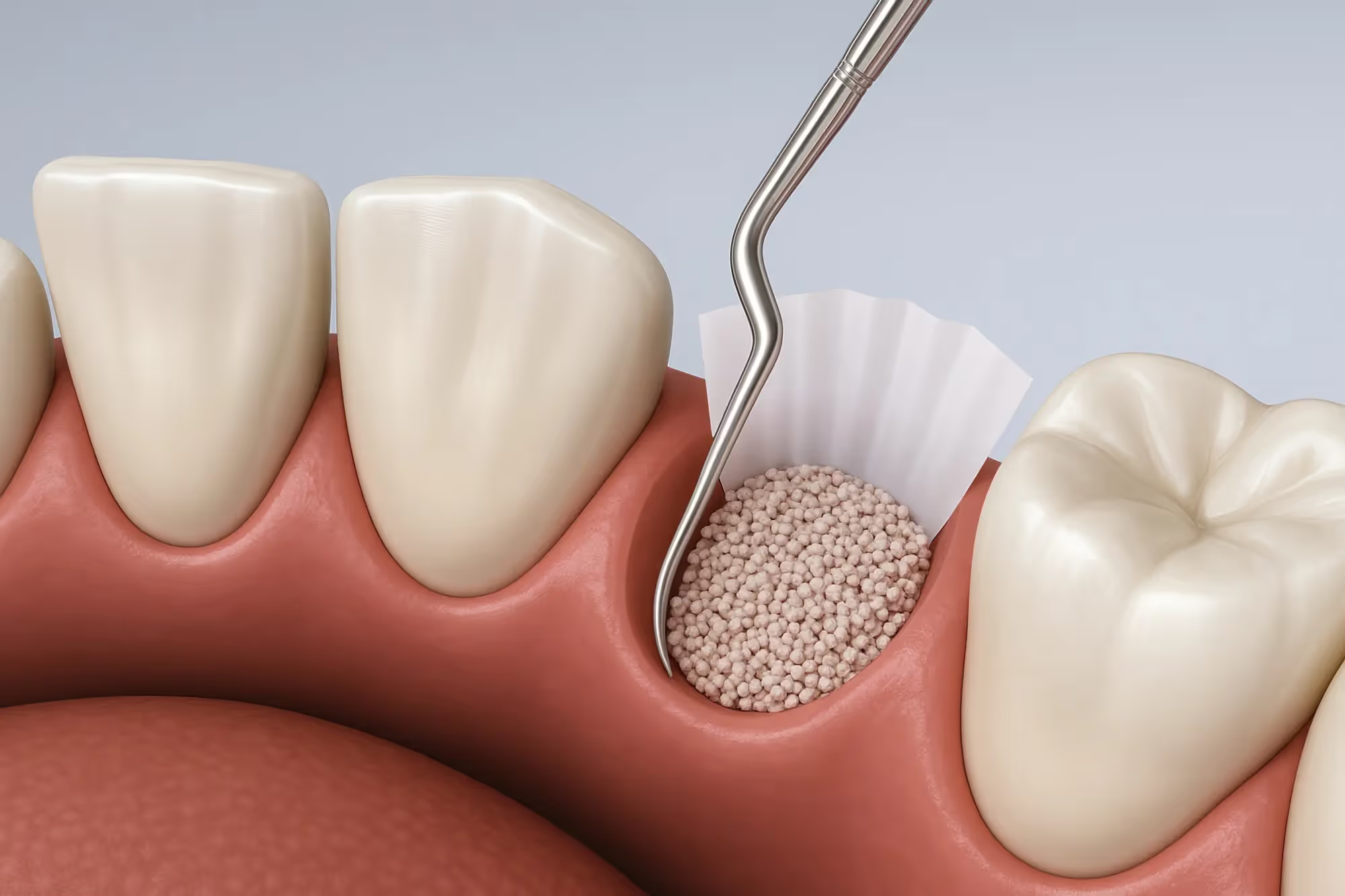
After undergoing tooth extraction for damaged teeth, the body initiates a natural healing process to restore the affected area. Initially, a blood clot forms in the socket to protect the bone and nerve endings, which is crucial for proper healing. Over the following days, the surrounding tissues begin to regenerate, gradually filling in the space left by the extracted tooth. It's normal to experience some swelling and discomfort during this time, as the body works to repair itself. The healing process varies for each individual, but maintaining good oral hygiene and following any provided care instructions can support recovery.
Managing Pain After Extraction
After undergoing tooth extraction for damaged teeth, managing pain effectively is crucial to ensure a smooth recovery process. The discomfort experienced post-extraction is a natural response as the body begins to heal. While the intensity of pain can vary depending on the complexity of the extraction and individual pain tolerance, it is generally temporary and subsides as healing progresses. Understanding that this is a normal part of the recovery journey can help in mentally preparing for the days following the procedure.
Dietary Considerations Post-Extraction
After undergoing tooth extraction for damaged teeth, it's important to be mindful of dietary choices to support the healing process. Consuming soft and easy-to-chew foods can help minimize discomfort and prevent irritation at the extraction site. It's advisable to avoid hard, crunchy, or sticky foods that might disrupt the healing tissue. Staying hydrated is also crucial, but it's best to steer clear of using straws, as the suction can interfere with recovery. By being cautious with food and drink selections, individuals can aid in a smoother recovery following tooth extraction for damaged teeth.
Potential Complications and Risks
Tooth extraction for damaged teeth, while generally safe, can sometimes lead to potential complications and risks. Common issues may include bleeding, infection, or swelling at the extraction site. In some cases, patients might experience dry socket, a painful condition where the blood clot at the site dislodges or dissolves before healing. Nerve injury, though rare, can also occur, leading to temporary or permanent numbness in the affected area. It's important to be aware of these possibilities when considering tooth extraction for damaged teeth.
Long-term Oral Health Maintenance
Maintaining long-term oral health is crucial after undergoing a tooth extraction for damaged teeth. Ensuring that your mouth remains healthy involves regular dental check-ups and being mindful of any changes in your oral condition. By focusing on oral hygiene and monitoring the healing process, you can help prevent future complications and promote overall dental well-being. Prioritizing oral health can lead to a more comfortable and pain-free life, allowing you to enjoy the benefits of a healthy smile.
Conclusion
Tooth extraction for damaged teeth can significantly improve your comfort and well-being; call us today at (737) 257-6096 to learn more, and check out our Google Maps reviews.
Share this post





It’s time to feel good about the dentist
Discover what it’s like to have a team that listens, supports, and celebrates your progress.