Dental Sealants in Oak Hill: Protecting Teeth from Cavities
Dental Sealants in Oak Hill: Protecting Teeth from Cavities
In the quest for optimal oral health, dental sealants have emerged as a powerful ally in cavity prevention. Residents of Oak Hill can benefit significantly from this preventive measure offered by local dental professionals like Dr. Renken. Dental sealants are thin coatings applied to the chewing surfaces of molars and premolars, providing an additional layer of protection against decay. This blog post will explore how dental sealants work, who should consider them, the application process, safety and effectiveness, comparisons with fluoride treatments, and their longevity.
How Do Dental Sealants Work?
Dental sealants act as a barrier, shielding vulnerable areas of teeth from plaque, food particles, and bacteria that contribute to cavities. The procedure involves applying a liquid resin to the grooves of the tooth surface, which then hardens into a durable shield. This protective coating is particularly beneficial for children and adolescents whose molars often develop deep pits and fissures that are difficult to clean thoroughly. By sealing these areas, patients can significantly reduce their risk of developing cavities over time.
Who Should Get Sealants?
While dental sealants are commonly associated with children, they are not exclusively for younger populations. Dr. Renken recommends sealants for anyone at high risk of cavities, including teenagers and adults with deep grooves in their teeth or those who may struggle with maintaining proper oral hygiene. In essence, if there’s a concern about cavity formation, dental sealants can be a smart choice for individuals of all ages seeking tooth protection.
Sealant Application Process Explained
The sealant application process is straightforward and typically takes just a few minutes per tooth. Here’s what you can expect during your visit:
1. **Cleaning**: The dentist will begin by cleaning the tooth surface to remove any debris or plaque.
2. **Preparation**: After drying the tooth, an acidic solution is applied briefly to help the sealant bond effectively.
3. **Application**: The sealant material is painted onto the tooth's surface, filling in the grooves and crevices.
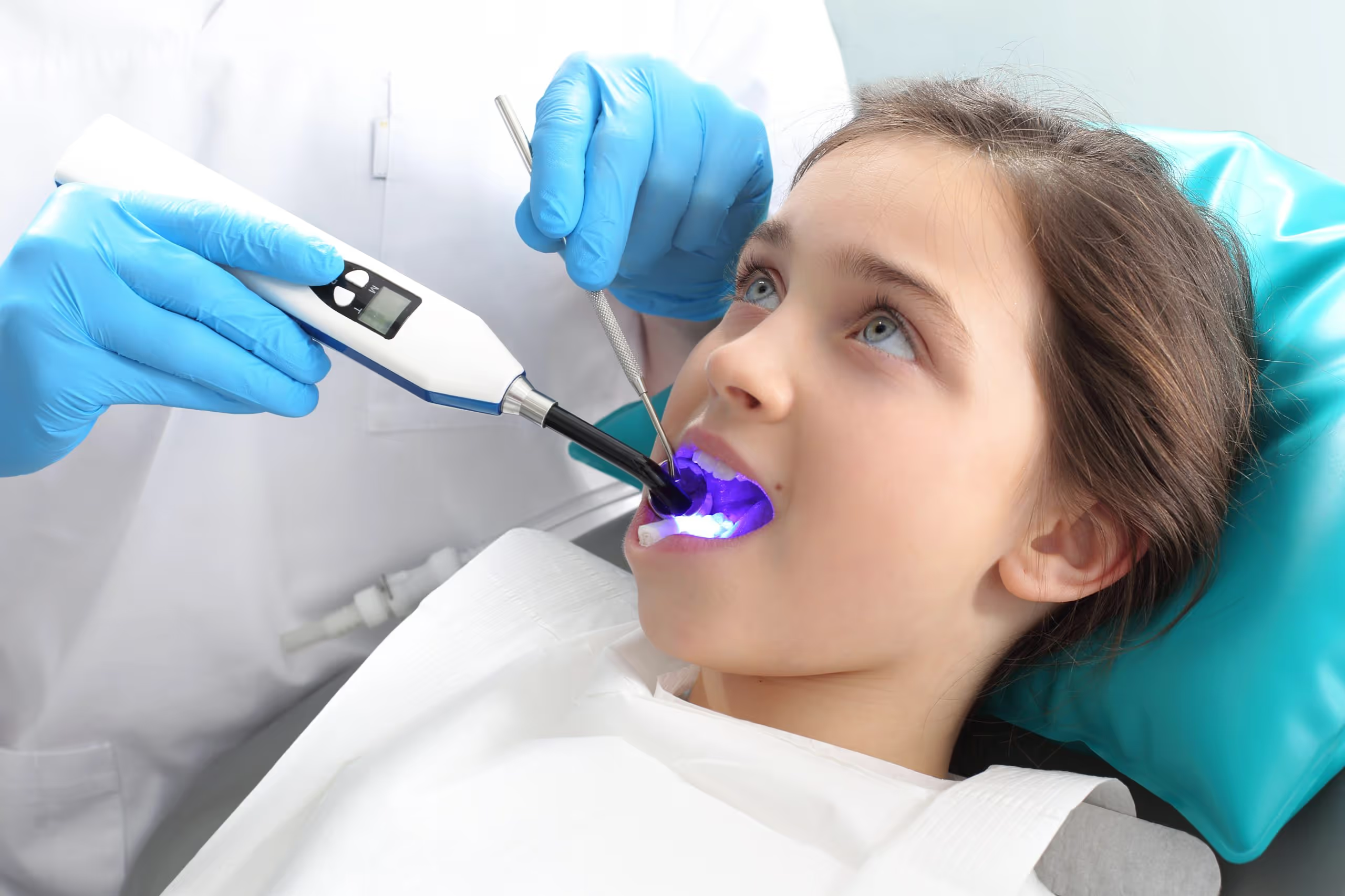
4. **Curing**: A special light may be used to harden the sealant quickly, ensuring it adheres properly.
This entire process is painless and usually completed within one appointment, making it a convenient option for busy families.
Are Sealants Safe and Effective?
Yes, dental sealants are both safe and effective. They have been extensively studied and proven to reduce the incidence of cavities in children and adults alike. The materials used in sealants are non-toxic and have been approved by dental associations worldwide. When applied correctly by a qualified professional like Dr. Renken, sealants provide reliable tooth protection without causing discomfort or adverse effects.
Sealants vs. Fluoride: What's the Difference?
Both dental sealants and fluoride treatments play crucial roles in cavity prevention but serve different purposes. Fluoride strengthens enamel and makes teeth more resistant to decay, while sealants provide a physical barrier against bacteria and food particles. For comprehensive cavity prevention, many dentists recommend using both methods in conjunction—fluoride for overall strength and sealants for targeted protection on molars.
How Long Do Sealants Last?
On average, dental sealants can last anywhere from five to ten years, depending on factors such as oral hygiene practices and dietary habits. Regular check-ups with Dr. Renken will ensure that sealants remain intact and functional. If wear or damage occurs, reapplication is simple and quick, allowing continued protection for teeth.
Frequently Asked Questions
Q1: Are sealants only for children?
No, while dental sealants are highly recommended for children, adults can also benefit from them, especially if they have deep grooves in their molars or a history of cavities.
Q2: Can sealants wear off or fall out?
Yes, sealants can wear down over time due to normal chewing forces or other factors. Routine dental visits allow for monitoring and timely replacement when necessary.
Q3: Do sealants hurt during application?
No, the application of dental sealants is painless. Patients may feel slight pressure, but no discomfort is involved in the process.
Take Action for Your Oral Health Today
If you're looking to protect your teeth from cavities, consider exploring dental sealants in Oak Hill. At Renken Dentistry of Oak Hill, Dr. Renken provides personalized and comprehensive care tailored to individual needs. To learn more about how dental sealants can enhance your oral health, visit our Dental Sealants page. You can also call us at (737) 257-5738 or reach out through our Contact Us form. Let’s work together towards long-term oral health!
Share this post







It’s time to feel good about the dentist
Discover what it’s like to have a team that listens, supports, and celebrates your progress.