
Demystifying the Root Canal: Signs, Steps and Recovery
"Root canal" may be two of the most feared words in dentistry, but today a root canal is a routine, comfortable treatment that relieves pain and saves your natural tooth. If you have been putting off the dentist because you are worried about what you might need, this guide walks you through what to expect.
What Is a Root Canal?
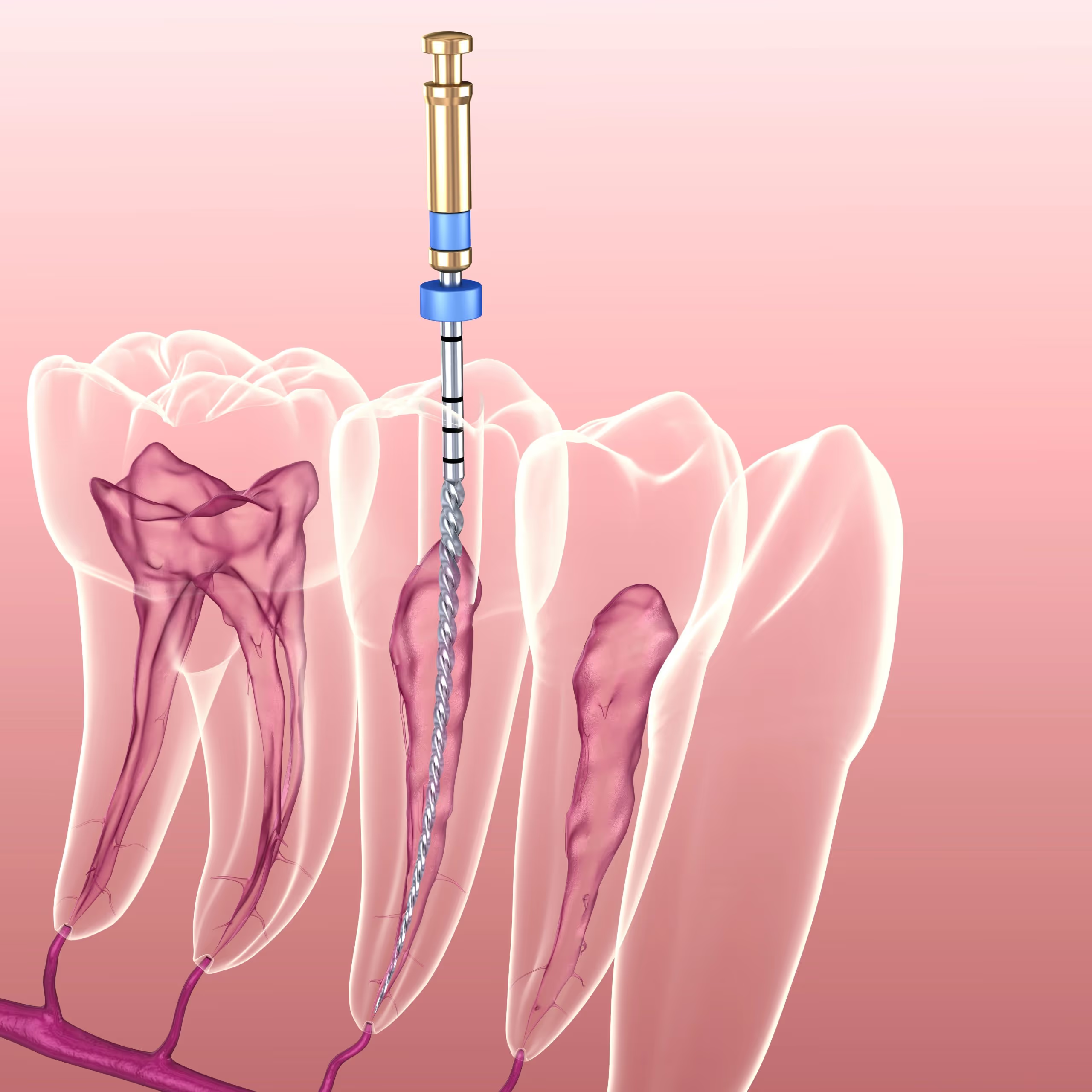
Inside every tooth is a soft center called the pulp, where the nerve and blood supply live. The root canal is the channel that holds that pulp. When the pulp becomes infected or badly inflamed, root canal treatment removes it, cleans and disinfects the inside of the tooth, and seals it so the tooth can keep working.
Signs You May Need a Root Canal
- A toothache that lingers or wakes you up at night
- Sensitivity to hot or cold that lasts after the food or drink is gone
- Pain when chewing or touching the tooth
- Swollen, tender gums or a pimple like bump on the gum near a tooth
- A tooth that has darkened in color
- A cracked or broken tooth, or deep decay
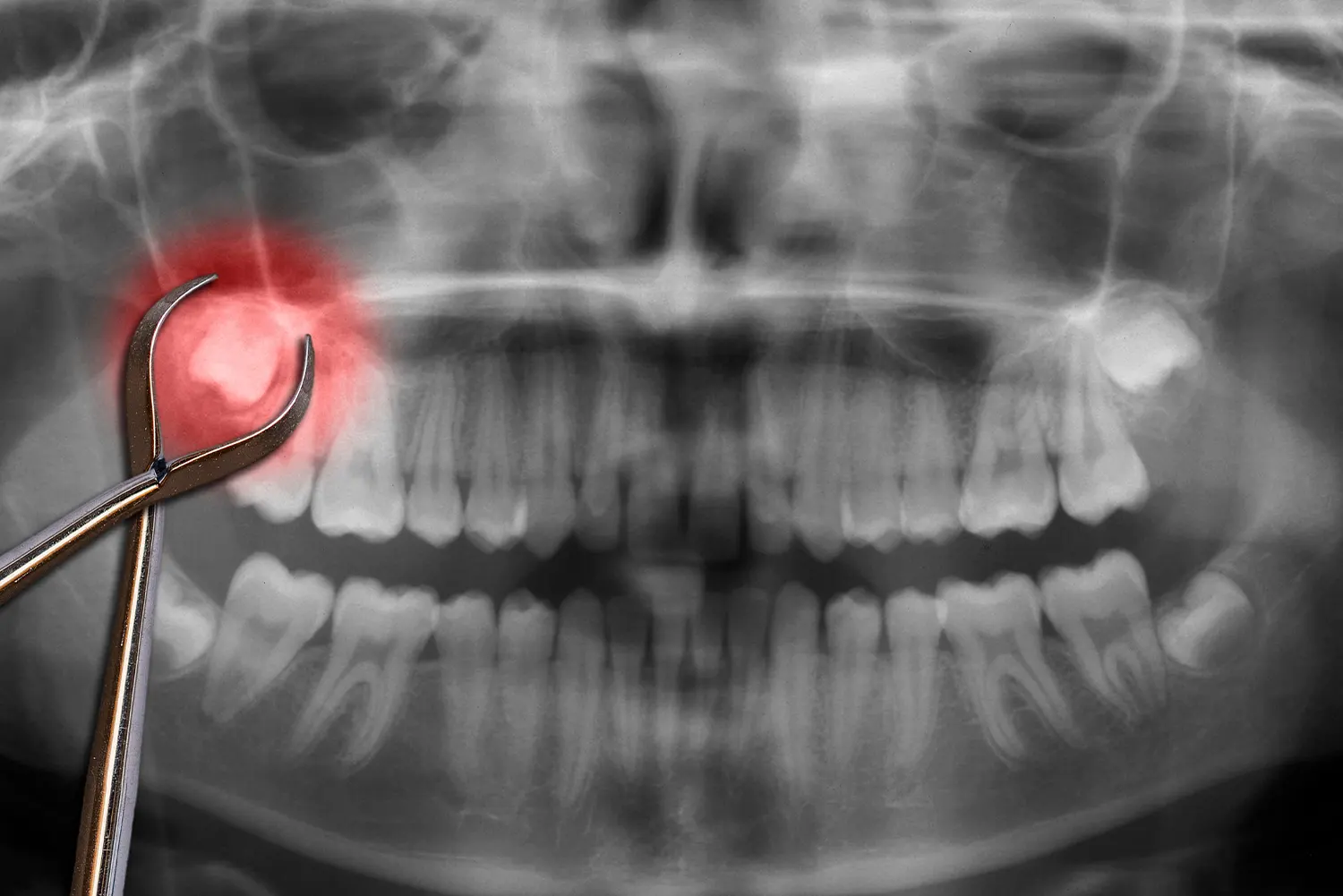
Sometimes an infected tooth causes no pain at all and only shows up on an X ray, which is one more reason regular checkups matter.
What Happens During Treatment
- Exam and X rays: we confirm the problem and explain your options.
- Numbing: the area is fully numbed so you stay comfortable.
- Cleaning the tooth: a small opening lets us remove the infected pulp and clean and shape the canals.
- Sealing: the canals are filled and sealed to keep bacteria out.
- Restoring: a filling or crown protects the tooth so it can function normally.
Most root canals take about 60 to 90 minutes and are often finished in one visit, though some teeth need a second appointment.
Is a Root Canal Painful?
Most patients say it feels similar to getting a filling. The pain usually comes from the infection, not the treatment, so many people feel better soon after.
Recovery Tips
- Expect mild soreness for a few days. Over the counter pain relievers usually help.
- Chew on the other side until your permanent filling or crown is placed.
- Keep brushing and flossing normally.
- Call us if you have swelling, severe pain or a reaction to medication.
Will I Need a Crown?
Often, yes, especially for back teeth. A tooth that needed a root canal is usually weakened, and a crown protects it from cracking. We will tell you what your tooth needs.
Root Canal or Extraction?
Saving your natural tooth is usually the best choice for chewing, appearance and long term cost. An extraction followed by an implant or bridge is sometimes the better option, and we will walk you through both honestly.
How to Prevent Future Root Canals
- Brush twice a day and floss daily.
- Keep regular checkups so small cavities are treated early.
- Wear a mouthguard for sports or if you grind your teeth.
- Do not ignore tooth pain. Early treatment is simpler.
It Is Never Too Late to Get Started
If it has been years since your last visit, you are not alone, and we will not judge. We will look at where your smile stands today and lay out a clear, step by step plan. Learn more about root canal treatment.
We have offices in Belterra, Crystal Falls (Leander), Georgetown, San Gabriel and Springfield, IL. To schedule, find your nearest Renken Dentistry location. Early and late appointments are available for busy work and school schedules.
Share this post

It’s time to feel good about the dentist
Discover what it’s like to have a team that listens, supports, and celebrates your progress.

